


How luck plays a role in casino outcomes: a deep dive
The Nature of Luck in Gambling
Luck is often cited as the primary factor influencing outcomes in gambling, especially in games of chance like slots and roulette. At its core, luck refers to the unpredictable forces that can lead to favorable or unfavorable results in unpredictable situations. In a casino environment, players frequently find themselves at the mercy of chance, where even the most strategic decisions can be undermined by sheer random variability, and exploring options such as neosurf australia casino can enhance their overall experience. This intrinsic nature of luck contributes significantly to the overall excitement and suspense of the gaming experience.
Understanding luck also involves acknowledging that every player interprets it differently. Some individuals believe in the concept of “lucky streaks,” where consecutive wins create a sense of confidence and anticipation. Others might see certain rituals or superstitions as ways to harness good fortune, such as wearing specific clothing or using particular items. These beliefs highlight how pivotal the notion of luck is not just in determining outcomes but also in shaping players’ experiences and behaviors in a casino setting.
The randomness inherent to many games ensures that luck is an undeniable element in gambling. For example, in a game of blackjack, while players can employ strategies to enhance their odds, the draw of cards remains fundamentally random. Each hand is a new opportunity shaped by luck, underscoring the importance of this element in casino outcomes. Ultimately, luck enhances the thrill of gambling, underscoring the unpredictable outcomes that players face every time they engage with the gaming industry.
The Role of Mathematics in Gaming Outcomes
While luck plays an essential role in casino outcomes, the mathematical foundations underlying games also influence player experiences significantly. Each game is designed with specific odds and probabilities, offering a particular return to the player, often termed the RTP or return to player percentage. This statistical element ensures that while luck can lead to winning or losing streaks, the house edge guarantees long-term profitability for the casino. Therefore, understanding the math behind games is crucial for players who wish to navigate their gambling experiences more strategically.
Game designers meticulously calculate odds to maximize the overall experience while ensuring that the casino remains profitable. For example, in the game of poker, the mathematical principles of probability dictate the potential success of each hand played, yet luck ultimately determines the card draws. This intertwining of skill and chance creates a complex dynamic; players may possess the knowledge to make informed decisions, but the random element can flip the outcome instantaneously, showcasing luck’s unavoidable impact on results.

Moreover, the psychology of players often interacts with these mathematical principles. Those who understand the odds may feel more confident in their wagers, despite outcomes still being influenced by luck. This highlights a critical tension between skill-based strategies and the whimsical nature of chance, making every gambling session a unique blend of calculated risk and the uncertainty that luck introduces. By recognizing this duality, players can have a more enriching and enjoyable experience in casinos.
The Psychological Effects of Luck
Luck doesn’t only influence tangible outcomes in the casino; it significantly affects players’ psychological states. The highs and lows experienced during play can lead to emotional rollercoasters, driven by wins or losses that are solely products of luck. For instance, winning can elicit feelings of euphoria and empowerment, allowing players to feel in control of their fate. Conversely, losing can bring frustration and despair, particularly for those who may be chasing losses in an effort to regain their money. This emotional aspect colors the gambling experience, where luck often shifts the psychological landscape dramatically.
Players frequently engage in cognitive biases that further complicate their relationship with luck. One such bias is the “gambler’s fallacy,” where individuals believe past outcomes will influence future results. For example, a player might think that after a series of losses, they are “due” for a win, leading to increased wagering. This psychological misinterpretation illustrates how deeply luck intertwines with human behavior and decision-making in casinos, often leading players to make irrational choices based on their perceived understanding of luck.
Additionally, the social aspect of gambling plays into the psychological role of luck. Casino environments are often bustling with excitement, and players share their experiences, creating a communal sense of luck. This shared energy can affect individual players’ outlook and strategies, as they may feel influenced by the perceived luck of others around them. The psychological interplay of luck is a multifaceted phenomenon that enhances the gaming experience, making it essential for players to be mindful of their reactions to luck’s whims.
The Influence of Superstitions and Rituals
The world of gambling is rife with superstitions and rituals that players believe can enhance their luck. From lucky charms to specific seating arrangements at the game tables, players engage in numerous behaviors that they think can sway luck in their favor. These rituals can stem from cultural beliefs or personal experiences, evolving into a vital part of the gambling experience for many individuals. Whether consciously or subconsciously, these practices illustrate how deeply luck is integrated into the fabric of casino play.
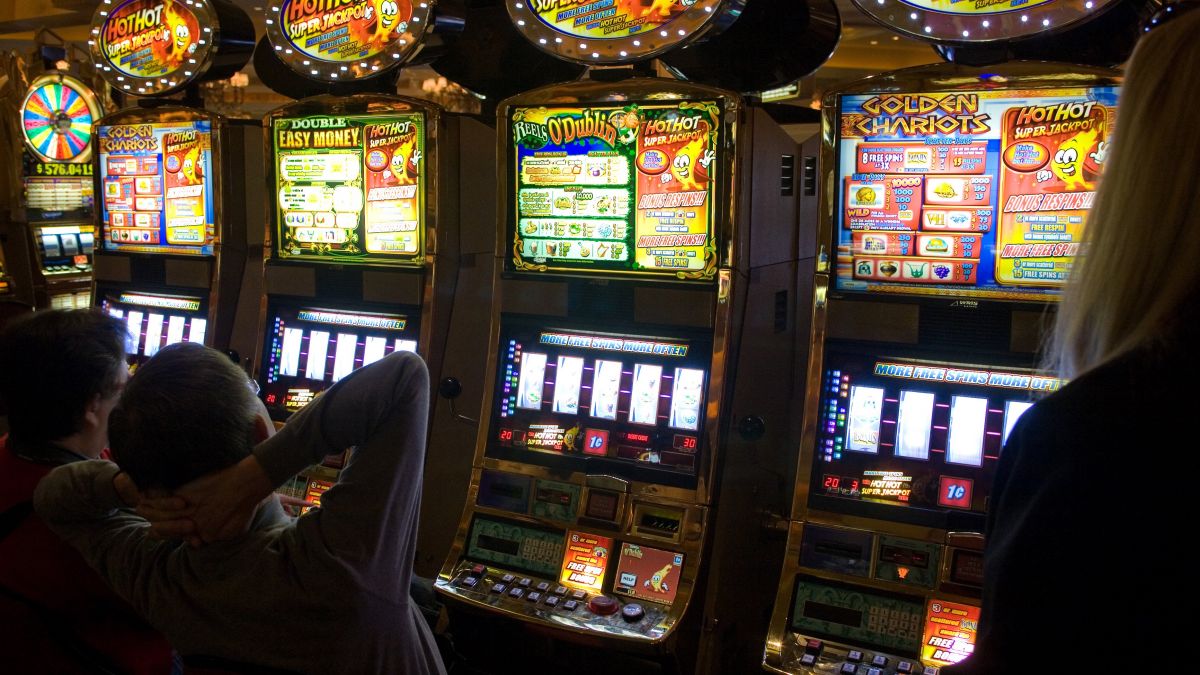
Some common superstitions include avoiding certain numbers deemed unlucky, such as 13, or specific practices like crossing fingers or blowing on dice before a roll. The psychological comfort that comes from adhering to such rituals often outweighs any logical reasoning, as players seek control over their unpredictable outcomes. This human tendency to seek patterns and meaning in randomness highlights the fundamental role luck plays in shaping individual experiences in the casino environment.
Moreover, casino designers are aware of these superstitions and often integrate them into the gaming experience to enhance player engagement. For instance, the layout of a casino and the design of games are intentionally crafted to evoke excitement and a sense of good fortune. This marriage between superstition and game design reflects a strategic understanding of how luck influences gameplay, ensuring that it continues to be a predominant factor that captivates and draws players in.
Understanding Luck and Responsible Gaming
As players engage with the unpredictable nature of luck in casinos, it becomes increasingly vital to emphasize responsible gaming practices. Understanding the role of luck can empower players to approach gambling with realistic expectations. By recognizing that outcomes are largely influenced by chance, individuals can better manage their finances and avoid the pitfalls of chasing losses or developing addictive behaviors. Mindfulness about luck allows for a more enjoyable gambling experience rather than one dominated by anxiety and despair.
Education about the nature of luck and its impact on casino outcomes promotes healthier gaming habits. Players who embrace the philosophy that luck is an unpredictable element can find greater satisfaction in the social and entertainment aspects of gambling rather than just financial outcomes. This shift in perspective encourages enjoyment without the burdensome pressure of winning, supporting a balanced approach to gaming that can lead to positive experiences.
Additionally, casinos themselves often promote responsible gaming through various initiatives. By providing resources and support for players struggling with gambling-related issues, casinos recognize the importance of addressing the psychological aspects of their games. A responsible gaming environment ensures that individuals can engage with luck in a healthy way, ultimately enhancing the overall gaming culture. Understanding luck’s role can help players cultivate a more enriching and mindful gambling experience while prioritizing wellbeing.